Research Report
Hydrogen peroxide-induced genetic variability in cowpea (Vigna unguiculata [L.] Walp) 
 ,
Vincent Bamidele Akinmola
 ,
Opeyemi Hallelujah Osin ,
Oluwatoyin Sunday Osekita Author Correspondence author
Biological Evidence, 2026, Vol. 16, No. 6
Received: 11 Sep., 2026 Accepted: 21 Oct., 2026 Published: 06 Nov., 2026
Cowpea (Vigna unguiculata [L.] Walp) is a nutritionally important grain legume whose productivity is constrained by a narrow genetic base. Therefore, this study aimed to induce genetic variability using hydrogen peroxide (HP) and evaluate the character associations among the resulting genotypes. Cowpea seeds (TVu-17327) were treated with 0%, 20%, and 40% HP for 24 hours and evaluated in the M1 (2024) and M2 (2025) generations under field conditions using a randomized complete block design. Data were collected on growth, yield, and chlorophyll-related traits. Genetic parameters, including genotypic and phenotypic coefficients of variation (GCV and PCV), broad-sense heritability, genetic advance (GAM), and Pearson's correlation coefficients, were estimated following analysis of variance. HP significantly affected most growth, yield, and chlorophyll-related traits in both generations. The 20% treatment produced the highest number of pods per plant (21.46 in M1; 10.08 in M2), while the 40% treatment recorded the highest total chlorophyll content (52.79 µM in M1) and seeds per pod (14.00 in M2). Compared with M1, the M2 generation exhibited higher emergence, seeds per pod, and pods per peduncle, but lower seed yield per plant. Broad-sense heritability was high (≥60%) in both generations, except for the number of main branches, which consistently exhibited low and moderate heritability, respectively, in M1 and M2. High GAM (>20%) for peduncle length, number of peduncles, number of pods, seed weight, seeds per plant, and chlorophyll parameters in M2 indicates substantial potential for effective selection and genetic improvement. Fewer but more pronounced correlations among yield and chlorophyll traits in M2 reflect trait reorganization following segregation. HP effectively induced variability in cowpea, with the M2 generation providing greater opportunities for selecting superior genotypes for yield and physiological traits.
1 Introduction
Cowpea (Vigna unguiculata [L.] Walp) is an important legume crop, commonly known as black-eye pea, and widely grown across the dry regions of Africa, Latin America, and South Asia. Cowpea is a member of the family Fabaceae, tribe Phaseoleae, and genus Vigna based on taxonomy (Maréchal et al., 1978). It has five main cultivar groups, such as Unguiculata, Sesquipedalis, Textilis, Biflora, and Melanophthalmu, among which the Unguiculata group is the most widely cultivated for food, while others, like Textilis, are grown for fiber in specific areas of Nigeria (Boukar et al., 2019).
Cowpea is significant because of its high nutritional content, quick growing cycle, and ability to adapt to marginal habitats. It is a major source of dietary protein, minerals, and vitamins for millions of resource-poor people across several communities (Horn et al., 2022). Its tremendous capacity to fix atmospheric nitrogen in soils for enhanced fertility makes it useful in sustaining agricultural systems. It is grown in many nations falling within the latitudes 40°N and 30°S, where West Africa accounts for around 95% of global production. As of 2021, Nigeria topped in production as well as consumption, harvesting 3.63 million metric tons (MT) from 4.7 million hectares, followed by Niger with a harvest of around 2.66 million MT from 5.97 million hectares (FAOSTAT, 2021, http://www.fao.org/faostat/en/#data).
Despite the broad use of the crop and its significance, its productivity is hampered by several biotic and abiotic constraints. The major constraints include pests, diseases, salinity, drought, and extreme temperatures, which have the capacity to significantly reduce its yield potential (Gregory et al., 2005; Amorim et al., 2018). Another limitation to the crop’s adaptability to changing environmental conditions is the narrow genetic base of the cultivated varieties, making it less responsive to breeding strategies (Boukar et al., 2019). The mounting impacts of climate change-driven extreme weather conditions and increased pest and disease incidence further exacerbate this genetic bottleneck, making the improvement of the crop for enhanced resilience a top priority.
However, breeding the crop through the conventional path driven by hybridization can be time-consuming and often inadequate for the speedy development of resilient and high-performing cultivars (Ajayi et al., 2010). These challenges can be addressed through induced genetic variability by adopting a novel technique, such as chemical mutagenesis, which is fast gaining interest. A promising chemical mutagen, such as hydrogen peroxide (HP, H2O2), also known as a reactive oxygen species (ROS), has a dual role in biological systems, including serving as a signalling molecule at low concentrations as well as inducing oxidative stress at higher levels (Gill and Tuteja, 2010; Sharma et al., 2012). HP is naturally involved in stress signalling in plant systems and can trigger DNA damage responses, which may lead to favourable mutations (Mittler, 2002). Experimental evidence from model species such as Arabidopsis thaliana and crops like rice (Oryza sativa L.) indicates that controlled application of HP can generate genetic changes that enhance phenotypic diversity (Petrov and Van Breusegem, 2012; Smirnoff and Arnaud, 2019).
Previous cowpea mutagenesis studies have largely focused on ethyl methanesulphonate (EMS), sodium azide (SA), colchicine, and gamma irradiation, whereas hydrogen peroxide (HP) has rarely been evaluated as an independent mutagen. HP was selected because, unlike EMS and SA, which induce mutations through distinct chemical mechanisms, it generates reactive oxygen species that can cause oxidative DNA damage while also modulating plant redox status and physiological responses. Its low cost, water solubility, ease of application to seeds, and degradation into water and oxygen further support its potential as a practical mutagen for crop improvement. Although evidence of the biological effects of HP has been reported in several organisms and crop species, its potential for inducing useful and heritable genetic variability in cowpea remains insufficiently explored.
Evidence from previous studies provides a basis for investigating the mutagenic and physiological effects of HP in cowpea. For instance, HP treatment has been associated with enhanced growth and physiological traits in Ficus species (Nurnaeimah et al., 2020). In cowpea (Susrama and Pradnyawathi, 2019) and marigold (Susrama and Yuliadhi, 2020), HP was implicated in enhancing colchicine-induced mutagenesis, while Dias de Azevedo et al. (2005) investigated its role in salinity tolerance in maize. Beyond higher plants, Munir et al. (2023) reported that HP treatment increased lipid content in methanol-extracted samples of the algal species Ulothrix and Oscillatoria. However, the treatment also caused slight colour changes and reductions in growth and biomass. These findings suggest that HP can influence growth, physiological responses, and biochemical composition, although its effects vary with the organism, treatment conditions, and trait under investigation. Collectively, this evidence supports further investigation of HP as a potential inducer of useful variation in cowpea, particularly through studies that distinguish observable phenotypic changes from heritable genetic variation across successive generations.
The mutagenic potential of HP is mechanistically consistent with observations in microbial and mammalian systems, where HP-generated reactive oxygen species cause oxidative DNA lesions that may result in mutations if incompletely repaired (Ruiz-Laguna and Pueyo, 1999; Díaz-Llera et al., 2000; Asad et al., 2004). However, direct evidence on the ability of HP alone to induce heritable quantitative variation in cowpea, particularly across the M1 and M2 generations, remains scarce. The present study addresses this gap by evaluating HP as an independent seed-priming mutagen in cowpea and assessing its effects on growth, yield, and chlorophyll-related traits, as well as genetic variability and character associations across the M1 and M2 generations.
Hence, the objectives of the study were to evaluate the effects of HP on agronomic, physiological, and yield-related traits in cowpea across two generations and to identify traits with potential value for subsequent breeding selection.
2 Materials and Methods
2.1 Procurement of material
Seeds of cowpea accession TVu-17327 were treated with 0%, 20%, and 40% hydrogen peroxide (HP) on 24th March 2024 for 24 h in a dark room at the Research Laboratory of the Department of Plant Science and Biotechnology (PSB), Adekunle Ajasin University (AAUA), Akungba-Akoko, Nigeria. The 20% and 40% treatments were prepared by diluting the commercial 70% (w/w) HP stock solution obtained from Xilung Chemicals with distilled water at 20% (v/v) and 40% (v/v), respectively. The cowpea accession was part of the collection at the Plant Breeding Unit of the PSB Department, AAUA, Nigeria, previously sourced from the International Institute of Tropical Agriculture (IITA), Ibadan, Nigeria.
2.2 Study area
The research was conducted at the Research Field of the Department of Plant Science and Biotechnology, AAUA, Ondo State, Nigeria (Latitude 7°28N and Longitude 5"28'E). The study area lies in tropical vegetation with annual rainfall between 1 500 mm and 2 000 mm and a mean temperature of 30 ℃. Field evaluations were conducted over two cropping seasons: March-July 2024 (M1 generation) and March-July 2025 (M2 generation).
2.3 Methods
Following treatment with varying concentrations of HP, the seeds were rinsed and air-dried for 24 hours before planting in the field. The experiment was laid out in a randomized complete block design (RCBD), with three replicates in the M1 generation and four replicates in the M2 generation. Each plot measured 3 m × 0.5 m and consisted of two rows, with 50 cm inter-row spacing and 30 cm intra-row spacing, giving 10 hills per row and 20 hills per plot. Two seeds were sown per hill and thinned to one plant per hill after emergence, resulting in 20 plants per treatment per replicate. Thus, 60 plants were established per treatment in the M1 generation and 80 in the M2 generation. The M2 generation was raised from seeds harvested from selfed M1 plants. Plots were separated by 1 m. Quantitative data on growth and chlorophyll-related traits were recorded during the growth phase, while yield-related traits were assessed at maturity. In each replicate, the five (5) best-performing plants per treatment were selected based on their observed phenotypic performance in the field and tagged before data collection.
2.4 Data collection
Data on emergence percentage were collected ten days after sowing. Six weeks later, various attributes were measured, including plant height, number of main branches, terminal leaflet length, terminal leaflet width, and number of leaves. The number of days to flowering was recorded as each plant flowered. At maturity, yield parameters were assessed, including the number of peduncles per plant, peduncle length, number of pods per peduncle, number of pods per plant, number of seeds per pod, 100-seed weight, total number of seeds per plant, seed yield, and chlorophyll content.
Emergence percentage was determined as the ratio of germinated seeds to total seeds sown, multiplied by 100. Plant height was measured from the plant base to the apical shoot tip using a measuring tape, while the total number of leaves per plant and number of peduncles at maturity were counted manually; additionally, terminal leaflet length and width, peduncle length, and pod length were recorded with a measuring tape. The number of days to flowering was counted from sowing to the first flower, and at maturity, the number of pods per peduncle was determined, alongside the average number of seeds per pod from 10 healthy, fully matured pods of 5 best selected plants per genotype (treatment) and replicate. Seed yield per plant was calculated by multiplying total seeds per plant by the average individual seed weight, with 100-seed weight measured using a weighing balance.
Chlorophyll determination was carried out following the methods described by Rao et al. (2012) and Ajayi et al. (2023), with some modifications. The second fully expanded leaf from the top was collected from each plant per treatment and replicate. Approximately 1 g of leaf tissue was ground in 10 mL of 80% acetone using a mortar and pestle. The solution was centrifuged at 2 500 rpm for 5 minutes, and the supernatant was decanted into test tubes. Pigment concentrations in the acetone extract were determined using a CE 373 visible linear readout spectrophotometer at wavelengths 664 nm and 647 nm. Chlorophyll A, B, and total chlorophyll contents (μM) were calculated from absorbance readings at 664 nm and 647 nm using the equations of Coombs et al. (1993): Chlorophyll A = 13.19A664 – 2.57A647, Chlorophyll B = 22.10A647 – 5.26A664, and total Chlorophyll = 7.93664 + 19.53647.
2.5 Data analysis
Data for the M1 and M2 generations were analyzed separately using analysis of variance (ANOVA) appropriate for a randomized complete block design (RCBD). The three HP treatments (0%, 20%, and 40%) were considered treatment groups, and replicate means were used as observations for estimating genetic parameters. The generations were analyzed independently because they were evaluated in different years and had different numbers of replicates (three in M1 and four in M2). ANOVA and correlation analyses were performed using SPSS version 20. Treatment means were separated using Duncan’s multiple range test (DMRT) at P ≤ 0.05.
The ANOVA was conducted following the procedure of Singh and Chaudhary (1985), while genetic parameter estimates were calculated as described by Ajayi et al. (2014a). From these analyses, the coefficient of variation (CV %) was determined using Burton’s (1952) formula: 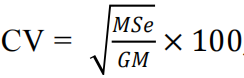 , where MSe = mean square error and GM = grand mean. Subsequent estimates of genetic parameters followed from the ANOVA mean squares.
Genotypic variance (Vg) and phenotypic variance (Vp) were estimated from the treatment mean squares according to Prasad et al. (1981) and Wricke and Weber (1986): 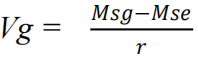 and Vp = Vg + MSe, where MSg = mean square for genotypes (treatments), MSe = mean square for error, and r = number of replicates.
The phenotypic coefficient of variation (PCV %) and the genotypic coefficient of variation (GCV %) were estimated using the methods described by Burton (1952) and Johnson et al. (1955): 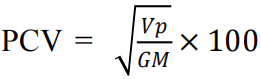 and
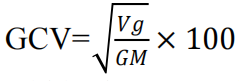 , where Vp = phenotypic variance, Vg = genotypic variance, and GM = grand mean of the trait within the generation; values were classified as low (0%~10%), moderate (10–20%), or high (>20%) according to Sivasubramaniam and Menon (1973). Broad-sense heritability (H2B) was expressed as the percentage of the ratio Vg to Vp as described by Allard (1960):
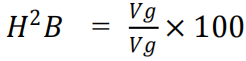 , Broad-sense heritability was classified as low (0%~30%), moderate (30%~60%), or high (>60%) according to Robinson et al. (1949).
Genetic advance as a percentage of the mean (GAM) was calculated by using the following formula suggested by Johnson et al. (1955): 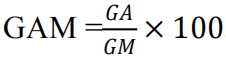 , where GA = genetic advance and GM = grand mean; GAM was classified as low (0%~10%), moderate (10%~20%), or high (>20%). Genetic advance (GA) was estimated by the method given by Fehr (1987): GA = H²B × K × √Vp, where H²B = broad-sense heritability and K = selection intensity constant (2.06 at 5% selection intensity).
Because genetic parameters were based on variation among the three HP treatment populations rather than among individual mutant lines, they are interpreted as estimates of treatment-level variability within each generation. The estimates provide preliminary information on the relative magnitude and potential selection value of variation among HP-derived populations, but do not constitute direct estimates of heritable variation among individual mutant genotypes.
Pearson’s correlation coefficients were computed separately for the M1 and M2 generations using the mean values of the three HP treatments (0%, 20%, and 40%), which were treated as direct genotypes. Thus, the correlation analysis was based on n = 3 genotype means in each generation. Correlation coefficients were estimated in SPSS version 20, and significance was assessed at P≤0.05 and P≤0.01 using DF = n−2 =1. The correlation coefficients were interpreted as descriptive estimates of associations among HP-derived genotype means rather than as precise estimates of genetic correlations.
3 Results
The mean square values from the analysis of variance (ANOVA) for quantitative traits in HP-induced cowpea genotypes across M1 and M2 generations are presented in Table 1 and Table 2. At M1, treatment showed a significant effect on all traits except the number of main branches, terminal leaflet length, and the number of seeds per pod. For M2, treatment was significant for all traits except emergence percentage, number of leaves, number of main branches, terminal leaflet width, number of days to first flowering, number of pods per plant, and seed yield per plant. The coefficient of variation (CV) was low across traits, ranging from 0.00% for the number of pods per plant to 6.95% for the number of main branches in M1, whereas M2 showed comparatively higher variability, ranging from 1.80% for terminal leaflet width to 24.02% for emergence percentage.
|
Table 1 Analysis of variance (mean squares) for quantitative traits of HP-induced cowpea genotypes in the M1 and M2 generations Note: *: Significant at P≤ 0.05; ns: Not significant. CV: Coefficient of variation; DF: Degree of freedom. EM: Emergence percentage; PH: Plant Height; NL: Number of leaves; NMB: Number of main branches; TLL: Terminal Leaflet length; TLW: Terminal leaflet width; DFF: Days to first flowering; PEDL: Peduncle length; PEDPL: Peduncles per plant |

|
Table 2 Analysis of variance (mean squares) for quantitative traits of HP-induced cowpea genotypes in the M1 and M2 generations Note: *: Significant at P≤ 0.05; ns: Not significant. CV: Coefficient of variation; DF: Degree of freedom. PPP: Pods per peduncle; PDP: Pods per plant; SPP: Seeds per pod; SW: 100-seed weight; SDPL: Seeds per plant; SDYPL: Seed yield per plant; CLA: Chlorophyll. A; CLB: Chlorophyll B; TCL: Total Chlorophyll |

The mean performance of HP-induced cowpea genotypes across agronomic and physiological traits for the M1 and M2 generations is shown in Table 3 and Table 4. The emergence percentage was generally higher in the M2 generation (55.28%) than in the M1 generation (31.11%). However, the highest emergence (66.67%) in M2 was recorded in the control. In M1, moderate emergence was observed across treatments, with 20% HP slightly higher than the others. Vegetative traits, including plant height, number of leaves, number of main branches, and peduncle length, were consistently higher in M1 than in M2, suggesting a decline in vegetative vigour in the second generation. In contrast, slight improvements were observed in terminal leaflet length and width in M2. The number of days to first flowering was marginally higher in M2 (47.10) compared to M1 (45.00), indicating delayed flowering. Yield components showed contrasting trends across generations. In M1, the 20% HP treatment produced the highest seed yield per plant (43.39 g), along with superior values for pods per plant (1.89) and seeds per plant (241.03), indicating a stimulatory effect of moderate HP concentration. In M2, however, the 40% HP treatment recorded the highest seed yield (18.10 g), as well as relatively higher numbers of seeds per pod (14.00) and pods per peduncle (2.13), suggesting that the effects of higher HP concentration became more pronounced in the subsequent generation. Despite this, overall yield traits, such as number of pods per plant, seeds per plant, and seed yield, declined markedly in M2 compared to M1. Chlorophyll content varied with treatment and generation. The highest chlorophyll contents were recorded at 40% HP in M1, while M2 showed generally reduced chlorophyll B and total chlorophyll across treatments.
|
Table 3 Mean values of agronomic and physiological traits of HP-induced cowpea genotypes across the M1 and M2 generations Note: Means with the same superscript within a column are not significantly different from one another at P ≤ 0.05, as determined by DMRT. EM: Emergence percentage; PH: Plant Height; NL: Number of leaves; NMB: Number of main branches; TLL: Terminal Leaflet length; TLW: Terminal leaflet width; DFF: Days to first flowering; PEDL: Peduncle length; PEDPL: Peduncles per plant |

|
Table 4 Mean values of agronomic and physiological traits of HP-induced cowpea genotypes across the M1 and M2 generations Note: Means with the same superscript within a column are not significantly different from one another at P ≤ 0.05, as determined by DMRT. PPP: Pods per peduncle; PDP: Pods per plant; SPP: Seeds per pod; SW: 100-seed weight; SDPL: Seeds per plant; SDYPL: Seed yield per plant; CLA: Chlorophyll A; CLB: Chlorophyll B; TCL: Total Chlorophyll |

Genetic parameter estimates show distinct differences between the M1 and M2 generations among HP-induced cowpea genotypes (Table 5; Table 6). In M1, genotypic coefficient of variation (GCV) closely mirrored phenotypic coefficient of variation (PCV), with high broad-sense heritability (≥68.71%) for all traits except number of main branches (16.22%), terminal leaflet length (30.17%), and the number of seeds per pod (8.99%). High (>20%) genetic advance as a percentage of mean (GAM) was observed notably for emergence percentage, plant height, peduncle length, chlorophyll B, and total chlorophyll. In M2, increased environmental effects and segregation led to greater divergence between GCV and PCV. While heritability (≥62.84%) was high for most traits, it was moderate (17.65% to 38.87%) for traits such as the number of leaves, number of main branches, terminal leaflet width, pods per peduncle, and seed yield per plant. Strong selection potential was indicated by significant GAM (>20%) for yield-related traits, such as peduncles per plant, peduncle length, pods per plant, number of seeds per plant, seed weight, and chlorophyll contents.
|
Table 5 Estimates of genetic parameters for agronomic and physiological traits of HP-induced cowpea genotypes across the M1 and M2 generations Note: GV: Genotypic variance; PV: Phenotypic variance; PCV: Phenotypic coefficient of variation; GCV: Genotypic coefficient of variation; H2B: Broad-sense heritability; GAM: Genetic advance as percent of mean. EM: Emergence percentage; PH: Plant Height; NL: Number of leaves; NMB: Number of main branches; TLL: Terminal Leaflet length; TLW: Terminal leaflet width; DFF: Days to first flowering; PEDL: Peduncle length; PEDPL: Peduncles per plant. “–”: Genetic parameters for DFF were not estimated in M2 because the treatment mean square was lower than the error mean square, yielding a negative genotypic variance estimate |
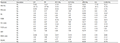
Genetic parameters for days to first flowering could not be estimated in the M2 generation because the treatment mean square was lower than the error mean square, producing a negative genotypic variance estimate; the parameter values are therefore indicated by “–” in Table 5.
|
Table 6 Estimates of genetic parameters for agronomic and physiological traits of HP-induced cowpea genotypes across the M1 and M2 generations Note: GV: Genotypic variance; PV: Phenotypic variance; PCV: Phenotypic coefficient of variation; GCV: Genotypic coefficient of variation; H2B: Broad-sense heritability; GAM: Genetic advance as percent of mean. PPP: Pods per peduncle; PDP: Pods per plant; SPP: Seeds per pod; SW: 100-seed weight; SDPL: Seeds per plant; SDYPL: Seed yield per plant; CLA: Chlorophyll A; CLB: Chlorophyll B; TCL: Total Chlorophyll |
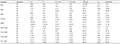
Pearson’s correlation analysis, based on the mean performance of the three HP-derived genotype groups in each generation, revealed strong associations among several agronomic and physiological traits (Table 7; Table 8; Table 9). Because the analysis was based on only three genotype means per generation, the correlation coefficients are interpreted as preliminary descriptions of trait relationships rather than as statistically robust estimates of genetic association. In M1, strong positive associations were observed among emergence, plant height, number of leaves, and several yield-related traits, whereas chlorophyll traits were generally negatively associated with yield components. In M2, the number of pods per plant was strongly and positively associated with the number of seeds per plant (r= 0.98), while seeds per pod was positively associated with seed yield per plant (r= 0.86). Overall, pods per plant and seeds per plant emerged as the most reliable determinants of yield across both generations, with stronger and more structured relationships observed in M1 than in M2.
|
Table 7 Pearson's correlation coefficients for agronomic and physiological traits of HP-induced cowpea genotypes in the M1 and M2 generations Note: *: Significant at P ≤ 0.05; **: Significant at P ≤ 0.01. EM: Emergence percentage; PH: Plant Height; NL: Number of leaves; NMB: Number of main branches; TLL: Terminal Leaflet length; TLW: Terminal leaflet width; DFF: Days to first flowering; PEDL: Peduncle length; PEDPL: Peduncles per plant; PPP: Pods per peduncle; PDP: Pods per plant; SPP: Seeds per pod; SW: 100-seed weight; SDPL: Seeds per plant; SDYPL: Seed yield per plant; CLA: Chlorophyll A; CLB: Chlorophyll B; TCL: Total Chlorophyll |

|
Table 8 Pearson's correlation coefficients for agronomic and physiological traits of HP-induced cowpea genotypes in the M1 and M2 generations Note:*: Significant at P ≤ 0.05; **: Significant at P ≤ 0.01. EM: Emergence percentage; PH: Plant Height; NL: Number of leaves; NMB: Number of main branches; TLL: Terminal Leaflet length; TLW: Terminal leaflet width; DFF: Days to first flowering; PEDL: Peduncle length; PEDPL: Peduncles per plant; PPP: Pods per peduncle; PDP: Pods per plant; SPP: Seeds per pod; SW: 100-seed weight; SDPL: Seeds per plant; SDYPL: Seed yield per plant; CLA: Chlorophyll A; CLB: Chlorophyll B; TCL: Total Chlorophyll |

|
Table 9 Pearson's correlation coefficients for agronomic and physiological traits of HP-induced cowpea genotypes in the M1 and M2 generations Note: *: Significant at P ≤ 0.05; **: Significant at P ≤ 0.01. EM: Emergence percentage; PH: Plant Height; NL: Number of leaves; NMB: Number of main branches; TLL: Terminal Leaflet length; TLW: Terminal leaflet width; DFF: Days to first flowering; PEDL: Peduncle length; PEDPL: Peduncles per plant; PPP: Pods per peduncle; PDP: Pods per plant; SPP: Seeds per pod; SW: 100-seed weight; SDPL: Seeds per plant; SDYPL: Seed yield per plant; CLA: Chlorophyll A; CLB: Chlorophyll B; TCL: Total Chlorophyll |

4 Discussion
The significant treatment effect observed by ANOVA, especially in the M1 generation, across multiple agronomic and physiological traits of cowpea indicates strong mutagenic effects of HP. Fewer traits showed significance in the M2 generation, indicating stability of the induced variation and the exclusion of temporary physiological disruption from M1. These include traits such as chlorophyll content, number of seeds per plant, number of pods per plant, number of seeds per pod, and seed weight, which retained significant variability, making them potentially valuable for selection and yield improvement. This extensive impact suggests that HP effectively generates phenotypic variability in early generations, likely due to oxidative damage to DNA and cellular components that trigger mutations (Gill and Tuteja, 2010). While the greater variability in M2 indicates greater phenotypic diversity, which is beneficial for selection and indicative of segregation within populations, the low CV in M1 indicates dependable experimental conditions. Emergence percentage, number of leaves, number of main branches, terminal leaflet width, number of days to flowering, number of pods per peduncle, and seed yield per plant are examples of traits that were not significant in M2 and may be less sensitive to HP or influenced by the environment. All things considered, HP is a useful mutagen for producing heritable variability in cowpea; selection starting at M2 is advised. This generational pattern is consistent with findings from chemical mutagenesis studies, where subsequent generations often exhibit increased variability as recessive mutations are expressed and genetic recombination occurs (Ahloowalia and Maluszynski, 2001; Ajayi et al., 2014b; 2017). Nonetheless, the genetic stability of the observed variation requires further validation in later generations or at the molecular level.
It should be noted that the M1 and M2 generations were evaluated in 2024 and 2025, respectively. Consequently, differences observed between generations may not be attributable solely to mutagen-induced genetic changes or segregation, but may also reflect variation in prevailing environmental conditions between the two cropping seasons. Differences in rainfall distribution, temperature, soil conditions, pest pressure, and other field factors can influence emergence, vegetative development, reproductive traits, chlorophyll accumulation, and seed yield. Therefore, direct comparisons between M1 and M2 should be interpreted with caution. Greater confidence can be placed in comparisons between each HP treatment and its corresponding 0% HP control evaluated within the same generation, since these comparisons were made under the same seasonal conditions. Within-generation treatment effects are therefore emphasized in interpreting the mutagenic response of cowpea to HP, while M1-M2 differences are considered indicative of possible generational and environmental trends rather than definitive evidence of genetic change alone.
Chemical mutagens like ethyl methane sulfonate (EMS), sodium azide (SA), acridine orange (AO), hydrazine hydrate (HZ), and colchicine effectively induce mutations in many crop species (Kamal, 2024; Abdelhameed et al., 2024; Rashid et al., 2026). They boost genetic diversity and agronomic traits (Oladosu et al., 2016; Mohamed et al., 2020; Türkoğlu et al., 2022). HP-induced variability in cowpea in the present study shows some similarity to those reported for other chemical mutagens, particularly in the occurrence of differences in trait expression between M1 and M2 (Ahloowalia and Maluszynski, 2001). However, because the generations were evaluated in different years, these differences may reflect both generational changes and environmental effects. HP produced pronounced effects on emergence and yield-related traits in M1, while fewer traits showed significant treatment effects in M2; this pattern differs from reports of higher cumulative variability following EMS and SA treatments (Mohamed et al., 2020; Raina et al., 2022; Jaiswal et al., 2025).
Despite these differences, common trends are evident: both HP and conventional chemical mutagens induce chlorophyll mutations that serve as reliable phenotypic markers, and both display stronger and more stable trait expression in the M2 generation. The extent and nature of trait responsiveness, however, depend on mutagen potency, mode of action, and the genetic background of the crop (Anittha and Mullainathan, 2018; Nurnaeimah et al., 2020; Sivaramakrishnan and Incharoensakdi, 2023). Notably, HP operates through a distinct mechanism. Unlike EMS, which induces persistent alkylation leading primarily to point mutations, or SA, which promotes base substitutions via azide metabolites, HP generates reactive oxygen species (ROS) that cause oxidative DNA damage, including strand breaks, base modifications, and small deletions. This results in a comparatively milder and broader mutation spectrum. Consequently, some HP-induced effects appear transient or attenuated by M2, likely reflecting efficient DNA repair, lower mutagen persistence, or condition-dependent mutagenic efficiency relative to conventional chemical mutagens (Sakai et al., 2006; Snyman et al., 2021; Mahpara et al., 2023).
The mean performance across most traits shows that HP is effective for generating useful variability in cowpea, with clear implications for breeding. The contrasting performance between the M1 and M2 generations may reflect both the transition from primarily physiological effects in M1 to segregation of induced genetic variation in M2, as well as environmental differences between the 2024 and 2025 evaluation seasons. Thus, the M2 results provide stronger evidence of potentially heritable variation, but confirmation in additional generations or under multi-environment evaluation would be necessary. Within the M2 generation, the control recorded the highest emergence percentage relative to both HP treatments, suggesting that HP may have adversely affected seedling establishment. This within-generation comparison is more informative than the absolute increase in emergence from M1 to M2, which could also reflect more favourable establishment conditions in 2025. Possible adverse effects of mutagens on seedling establishment have been reported for EMS and SA treatments (Mahpara et al., 2023).
The moderate 20% HP treatment enhanced several yield-related traits in M1, including pods per peduncle, pods per plant, seeds per pod, seeds per plant, and seed yield. This suggests that 20% HP may represent a more favourable dose for inducing useful variation while limiting biological damage, although optimal mutagen doses are known to depend on species, genotype, and treatment conditions (Mahpara et al., 2023). The reduction in plant height, increased terminal leaflet dimensions, and delayed flowering observed in M1 are consistent with previous reports in sesame (Ablaku et al., 2021). The contrasting responses to 20% and 40% HP may reflect the dual biological role of HP: at lower concentrations, it may participate in signalling and physiological regulation, whereas higher concentrations may induce oxidative stress and cellular damage. Thus, 20% HP could be associated with a more favourable balance between mild signalling effects and limited stress, whereas 40% HP might have induced greater oxidative stress and altered chlorophyll metabolism. Because oxidative stress, signalling, and cellular-damage markers were not measured, these explanations remain speculative. HP has also been reported to increase leaf area and plant height in cowpea and Ficus, although those studies used lower concentrations and foliar application rather than seed treatment (Hasan et al., 2016; Nurnaeimah et al., 2020).
In M2, the 40% HP treatment showed higher seed yield and some reproductive traits than the contemporaneous control. This suggests that higher HP exposure could be associated with useful variation expressed after segregation, although further evaluation of individual mutant lines is needed to confirm this interpretation. However, because M2 was evaluated in a different year from M1, this response should be confirmed in later generations and across environments before firm conclusions are drawn on dose-specific effects. The general decline in several traits in M2 relative to M1 may reflect segregation, reduced vigour in derived progenies, and/or unfavourable environmental conditions during the 2025 season. Because the generations were not evaluated simultaneously, this decline should not be interpreted exclusively as a consequence of genetic instability. Similar declines were reported by Alisha et al. (2024) in Bambara groundnut under varying colchicine treatments in key traits such as the number of leaves, plant height, seeds per plant, and seed weight, including delayed flowering in the M2 generation.
Notably, the improvements observed in yield-related traits, particularly pods per peduncle and seeds per pod, in the M2 generation suggest that these traits could serve as potential selection indices during early-generation breeding. Similar trends have been reported in wheat following SA and HZ mutagenesis, where mutagen-treated populations exhibited greater improvements in key yield traits in the M2 generation than in the M1 generation and the control (Abdelhameed et al., 2024). This pattern is consistent with reports showing that the beneficial effects of induced mutagenesis on important morphological and agronomic traits become more pronounced in the M2 generation, when heritable mutations are expressed following segregation. Furthermore, the disappearance of treatment differences in the number of days to first flowering in the M2, compared with the M1, suggests that these effects were largely non-heritable physiological responses rather than stable genetic changes. Therefore, time to flowering appears to be relatively insensitive to permanent HP-induced variations, with plants exhibiting a tendency to revert to a common flowering period after one generation of segregation. Hence, this pattern implies that the number of days to first flowering may not be an effective target trait for direct selection following HP treatment, unlike yield-related traits that continued to exhibit appreciable variation in M2.
Direct evidence of HP-induced heritable variability in the M2 generation is limited. Similar trajectories of quantitative trait variation in M2 have been documented in cowpea using other mutagens, particularly EMS (Gyamfi et al., 2022), suggesting that variable expression of traits in the M2 generation is a common feature of potentially induced mutagenesis. More specifically, Susrama and Pradnyawathi (2019) demonstrated that colchicine dissolved in 3% HP induced stable qualitative and quantitative mutations in cowpea, yardlong bean, and common bean that were transmitted from M2 to M3. In cowpea, treated plants exhibited heritable changes in leaflet shape and number of leaflets, accompanied by reduced pod length and terminal leaflet length, while seed weight remained unaffected. Similar HP-based treatments also induced delayed flowering, altered leaflet morphology, reduced aphid incidence in yardlong bean, and novel pod colour mutants with improved pod traits in common bean. Although HP functioned primarily as a solvent rather than an independent mutagen, the distinct phenotypic responses relative to water-based treatments and the stable transmission of mutant traits provide evidence that HP-containing mutagenic systems can generate potentially heritable variability in legumes. These findings are consistent with the present study, where HP induced substantial variability in vegetative, reproductive, and physiological traits, particularly in the M2 generation, highlighting its potential for broadening the genetic base of cowpea breeding populations.
Additionally, variation in chlorophyll content in this study, particularly at higher HP concentrations, suggests potential for indirect selection for enhanced photosynthetic efficiency and stress adaptation, in agreement with the findings of Hasan et al. (2016) in cowpea and Nurnaeimah et al. (2020) in Ficus. Chlorophyll content increased significantly in cowpea under the highest HP treatment in the M1 generation. This response could be associated with protection of chloroplast ultrastructure, preservation of photosynthetic pigments, or stimulation of photosynthetic activity, as proposed in previous studies (Nurnaeimah et al., 2020); however, chloroplast structure, photosynthetic rate, and plant productivity were not directly assessed in the present study. This finding is consistent with the report of Kamal (2024) in field pea, who attributed the increase in total chlorophyll pigments under AO mutagenesis primarily to elevated chlorophyll B concentrations across most mutagen doses. The authors suggested that this response may result from the up-regulation of chlorophyll-protective enzymes and enhanced carbon allocation under higher mutagen doses, thereby reducing chlorophyll degradation through the suppression of chlorophyll-degrading enzymes and promoting greater pigment accumulation. Similarly, Hasan et al. (2016) reported that HP significantly increased pigment concentration and photosynthetic attributes in cowpea, including net photosynthetic rate, water use efficiency (WUE), and maximum quantum yield of PS II. Overall, a combined strategy involving moderate HP doses for immediate gains and higher doses for long-term selection, with emphasis on M2 and later generations, is recommended for effective cowpea improvement. Also, because the M1 and M2 generations were evaluated in different years, treatment effects were interpreted mainly through comparisons of each HP concentration with its corresponding control within the same generation; further evaluation across generations and environments is recommended to separate stable mutagen-induced effects from seasonal environmental influences.
Estimates of genetic parameters among HP-induced cowpea genotypes across generations provide valuable insight into the feasibility and effectiveness of genetic improvement for important agronomic and physiological traits. Although direct reports on genetic parameter estimates in HP-induced variability in cowpea and other crop species are scarce, the present findings are consistent with the general patterns of induced variability reported for other chemical mutagens (Wani and Khan, 2006; Wani, 2011; Bolbhat and Dhumal, 2012; Al Mamun et al., 2024). The high PCV and GCV observed for emergence percentage in both generations, plant height in the M1 generation, and seed weight, number of seeds per plant, and chlorophyll B in the M2 generation indicate substantial genetic variability, suggesting that HP treatment effectively broadened the genetic base for these traits.
In the present study, the consistent expression of high broad-sense heritability and high GAM for peduncle length, chlorophyll B, and total chlorophyll across both the M1 and M2 generations may indicate a relatively strong genetic contribution to the observed variation and comparatively limited environmental influence (Al Mamun et al., 2024). However, because broad-sense heritability includes all genetic components of variance, it does not permit a specific inference about the relative contributions of additive, dominance, or epistatic gene action. Consequently, phenotypic selection for these traits may be effective, as the high heritability estimates suggest that a substantial proportion of the observed phenotypic variation is associated with genetic differences among the HP-derived genotype groups. From a cowpea breeding perspective, peduncle length, chlorophyll B, and total chlorophyll may therefore serve as useful selection criteria, although their value should be confirmed through evaluation of individual mutant lines in later generations and across environments. Peduncle length is directly associated with reproductive development and may contribute to enhanced pod production (Ajayi and Gbadamosi, 2020), while higher chlorophyll B and total chlorophyll contents improve photosynthetic efficiency, potentially leading to greater biomass accumulation and increased seed yield (Ajayi et al., 2023). Because these traits consistently exhibited high heritability coupled with high GAM in both generations, substantial genetic gains can be achieved through direct selection, making them valuable targets for developing high-yielding and physiologically efficient cowpea cultivars. A similar pattern of high heritability and GAM for chlorophyll-related traits was reported in the M1 generation of field pea (Kamal, 2024). However, in the present study, the mean performance of chlorophyll traits declined in the M2 generation, and the control plants outperformed the HP-treated populations. This indicates that, despite the high heritability and GAM observed for chlorophyll traits in the M2, their phenotypic superiority was not maintained across generations. Therefore, physiological traits such as chlorophyll content should be used cautiously as selection criteria, as early-generation improvements may not necessarily be stably inherited.
Correlation analysis can provide preliminary information on the direction and magnitude of associations among quantitative traits, which may be useful when considering indirect selection for complex traits such as yield (Ajayi and Gbadamosi, 2020; Al Mamun et al., 2024). In the present study, however, correlation coefficients were calculated from the mean performance of only three HP-derived genotype groups within each generation. The coefficients therefore describe phenotypic associations among treatment means and should not be interpreted as genetic correlations or as definitive estimates of the relationships that would be observed among individual mutant lines. Notwithstanding this limitation, the correlation patterns provide preliminary indications of traits that may merit attention in subsequent selection. The positive associations between the number of pods per plant and the number of seeds per plant, and between these traits and seed yield per plant, suggest that pods per plant and seeds per plant may be useful indirect selection criteria for yield improvement (Al Mamun et al., 2024). However, because the analysis was based on only three genotype means per generation, these relationships should be validated using larger mutant populations and plot- or plant-level data before they are adopted as reliable selection indices.
The strong positive associations among vegetative traits in M1, particularly between plant height and number of leaves, suggest that vigorous HP-derived treatment groups tended to show higher expression of several growth traits. The generally weaker associations in M2 indicate that trait relationships differed between generations; however, because M1 and M2 were evaluated in different years, this difference should not be attributed solely to segregation or genetic reorganization. It may also reflect environmental differences between the 2024 and 2025 evaluation seasons. Similar changes in the relationships among yield and its component traits have been reported in M2 mutant populations by Kar et al. (2023), who attributed the altered correlation patterns to mutagen-induced genetic changes. In their study, the changes were attributed to be likely driven by independent polygenic mutations and increased recombination among polygenes controlling multiple traits, thereby reshaping trait associations after segregation.
The negative association between 100-seed weight and the number of seeds per plant in M2 suggests a possible trade-off between seed size and seed number among the HP-derived genotype groups. Similarly, the negative associations between chlorophyll B and some yield-related traits in M1 indicate that higher chlorophyll content did not necessarily correspond with higher productivity under the conditions of this study. These observations suggest that chlorophyll-related traits should be used cautiously as direct selection criteria for yield, and that their relationships with yield should be re-evaluated in larger and more diverse mutant populations. These findings partly contrast with those of Ajayi et al. (2023), who reported strong positive correlations between total chlorophyll, chlorophyll B, and seed yield following recovery from drought stress, indicating that genotypes with greater chlorophyll retention during stress achieved superior yield recovery. However, the same authors also observed negative correlations between chlorophyll traits and seed yield under active drought stress, suggesting that higher chlorophyll content during stress does not necessarily confer higher productivity. In their study, the drought-tolerant check (ACC07) produced high seed yield under drought stress despite exhibiting relatively low chlorophyll content, demonstrating that chlorophyll concentration alone is not a reliable predictor of drought tolerance or yield performance. Collectively, these findings indicate that the relationship between chlorophyll content and productivity is strongly influenced by the physiological stage and environmental conditions under which plants are evaluated.
5 Conclusion
HP treatment significantly influenced several growth, yield, and chlorophyll-related traits in cowpea, although the magnitude and direction of the effects varied between the M1 and M2 generations. In the M1 generation, the 20% HP treatment produced the highest values for pods per plant, seeds per plant, and seed yield per plant, while the 40% HP treatment recorded the highest total chlorophyll content. In the M2 generation, the 40% HP treatment produced the highest seed yield per plant, seeds per pod, and pods per peduncle, whereas the control recorded the highest emergence percentage. These results indicate that both HP concentration and generation influenced trait expression. Direct comparisons between the M1 and M2 generations should be interpreted cautiously because they were evaluated in different years (2024 and 2025). Nevertheless, the M2 generation showed higher emergence, seeds per pod, and pods per peduncle, but lower plant height, number of leaves, pods per plant, seeds per plant, and seed yield per plant than M1. Treatment effects were significant for more traits in M1 than in M2, while several yield-related and chlorophyll-related traits retained significant variation in M2. In the M2 generation, high broad-sense heritability coupled with high genetic advance as a percentage of the mean was observed for peduncle length, number of peduncles per plant, pods per plant, 100-seed weight, number of seeds per plant, Chlorophyll B (B should be italicized), and total chlorophyll. These traits therefore represent potential selection targets in HP-derived cowpea populations. The strong positive association between pods per plant and seeds per plant, and their positive relationships with seed yield, further support the potential value of pods per plant and seeds per plant as indirect selection criteria. The study showed that HP treatment modified agronomic and physiological traits in cowpea and generated measurable variation among HP-derived genotypes. The M2 generation provided greater opportunities for identifying traits with potential selection value, particularly yield components and chlorophyll-related traits. Further evaluation in later generations and across environments is needed to confirm the stability and breeding value of the observed variation.
Authors’ contributions
ATA conceptualized the study, designed the experiment, analyzed and interpreted the data, and wrote the final manuscript. VBA established the M1 experiment, collected the data, managed the M1 and M2 datasets, and wrote the initial draft of the manuscript. OHO established the M2 experiment and collected the M2 data. OSO contributed to the conceptualization of the experiment and the writing of the initial draft.
Acknowledgement
The authors acknowledge the Genetic Resources Centre, International Institute of Tropical Agriculture (IITA), Nigeria, for supplying the cowpea accession (TVu-17327) used in this study.
Abdelhameed AA., Ali M., Darwish D.B.E., AlShaqhaa M.A., Selim D.A.-F.H., Nagah A., and Zayed M., 2024, Induced genetic diversity through mutagenesis in wheat gene pool and significant use of SCoT markers to underpin key agronomic traits, BMC Plant Biology, 24: 673.
https://doi.org/10.1186/s12870-024-05345-5
Ablaku A.B., Abimiku S.E., and Ablaku B.E., 2021, Effects of hydrogen peroxide and benzene treatments on morphological traits of sesame (Sesamum indicum L.), Journal of Food Technology and Nutrition Sciences, 3(3): 1-9.
https://doi.org/10.47363/JFTNS/2021(3)126
Ahloowalia B.S., and Maluszynski M., 2001, Induced mutations-A new paradigm in plant breeding, Euphytica, 118(2): 167-173.
https://doi.org/10.1023/A:1004162323428
Ajayi A.T., Adekola M.O., Taiwo B.H., and Azuh V.O., 2014a, Character expression and differences in yield potential of ten genotypes of cowpea (Vigna unguiculata [L.] Walp), International Journal of Plant Research, 4(3): 63-71.
Ajayi A.T., Adesoye A.I., Asiedu R., and Sartie A., 2010, Colchicine-induced variations in survival rate and morphological characteristics of water yam (Dioscorea alata L.), Ratarstvo i Povrtarstvo / Field and Vegetable Crop Research, 47(2): 485-492.
Ajayi A.T., and Gbadamosi A.E., 2020, Genetic variability, character association and yield potentials of twenty-five accessions of cowpea (Vigna unguiculata L. Walp), Journal of Pure and Applied Agriculture, 5(2): 1-16.
Ajayi A.T., Gbadamosi A.E., Olumekun V.O., Adedeji I., and Ibrahim N.R., 2023, Estimates of genetic parameters and correlation of morphological and physiological responses among accessions of cowpea screened under drought stress at the vegetative stage, Journal of Crop Science and Biotechnology, 26(2): 227-241.
https://doi.org/10.1007/s12892-022-00174-0
Ajayi A.T., Ohunakin A.O., Osekita O.S., and Oki O.C., 2014b, Influence of colchicine treatments on character expression and yield traits in cowpea (Vigna unguiculata [L.] Walp), Global Journal of Science Frontier Research: C Biological Science, 14(5): 15-20.
Ajayi A.T., Ologundudu A.F., Azuh V.O., Daramola O.F., and Kajogbola A.R, 2017, Colchicine-induced genetic variations in M2 and M3 generations of cowpea (Vigna unguiculata [L.] Walp), Jordan Journal of Agricultural Sciences, 13(2): 293-309.
Al Mamun S.M.A., Ivy N.A., Khan M.A.I., Rehana S., Sultana M.S., Adhikary S.K., and Islam M.M., 2024, Genotype selection from azide-induced rice mutants using multitrait genotype-ideotype distance index (MGIDI): Unveiling promising variants for yield improvement, Advances in Agriculture, 2024: 5719580.
https://doi.org/10.1155/2024/5719580
Alisha T.S., Saptadi D., and Damanhuri D., 2024, Evaluation of morphological and cytological variations in colchicine-induced M1 and M2 generations of Bambara groundnut (Vigna subterranea L.), Agrikultura, 35(2): 284-297.
https://doi.org/10.24198/agrikultura.v35i2.53951
Allard R.W., 1960, Principles of plant breeding, John Wiley & Sons.
Amorim L.L.B., Ferreira-Neto J.R.C., Bezerra-Neto J.P., Pandolfi V., de Araújo F.T., da Silva Matos M.K., Silva G.N., Santos M.G., Kido E.A., Alves-Ferreira M., and Benko-Iseppon, A.M., 2018, Cowpea and abiotic stresses: Identification of reference genes for transcriptional profiling by qPCR, Plant Methods, 14: 88.
https://doi.org/10.1186/s13007-018-0354-z
Anittha I., and Mullainathan L., 2018, Chlorophyll and morphological mutations induced by chemical mutagens, EMS and DES, in Setaria italica (L.) Beauv. var. CO(Te)7 in M2 generation, International Journal of Scientific Research in Biological Sciences, 5(6): 61-65.
https://doi.org/10.26438/ijsrbs/v5i6.6165
Asad N.R., Asad L.M.B.O., Almeida C.E.B., Felzenszwalb I., Cabral-Neto J.B., and Leitão A.C., 2004, Several pathways of hydrogen peroxide action that damage the E. coli genome, Genetics and Molecular Biology, 27(2): 291-303.
https://doi.org/10.1590/S1415-47572004000200026
Bolbhat S.N., and Dhumal K.N., 2012, Effect of mutagens on quantitative characters in M2 and M3 generation of horsegram (Macrotyloma uniflorum [Lam.] Verdc), International Journal of Scientific and Research Publications, 2(10): 1-7.
Boukar O., Belko N., Chamarthi S., Togola A., Batieno J., Owusu E., Haruna M., Diallo S., Umar M.L., Olufajo O., and Fatokun C., 2019, Cowpea (Vigna unguiculata): Genetics, genomics and breeding, Plant Breeding, 138(4): 415-424.
https://doi.org/10.1111/pbr.12589
Burton G.W., 1952, Quantitative inheritance in grasses, In: Proceedings of the 6th International Grassland Congress, Vol.1, Pennsylvania State College, State College, PA, USA, pp.277-283.
Coombs J., Hall D.O., Long S.P., and Scurlock J.M.O., 1993, Photosynthesis and production in a changing environment: A field and laboratory manual, Chapman & Hall, London.
Dias de Azevedo N.A., Prisco J.T., Enéas Filho J., Medeiros J.-V.R., and Gomes-Filho E., 2005, Hydrogen peroxide pre-treatment induces salt stress acclimation in maize plants, Journal of Plant Physiology, 162(11): 1114-1122.
https://doi.org/10.1016/j.jplph.2005.01.007
Díaz-Llera S., Podlutsky A., Österholm A.-M., Hou S.-M., and Lambert B., 2000, Hydrogen peroxide-induced mutations at the HPRT locus in primary human T-lymphocytes, Mutation Research/Genetic Toxicology and Environmental Mutagenesis, 469(1): 51-61.
https://doi.org/10.1016/S1383-5718(00)00058-9
Fehr W.R., 1987, Principles of Cultivar Development: Theory and Technique, Vol.1, Macmillan Publishing Company, New York, USA
Gill S.S., and Tuteja N., 2010, Reactive oxygen species and antioxidant machinery in abiotic stress tolerance in crop plants, Plant Physiology and Biochemistry, 48(12): 909-930.
https://doi.org/10.1016/j.plaphy.2010.08.016
Gregory P.J., Ingram J.S.I., and Brklacich M., 2005, Climate change and food security, Philosophical Transactions of the Royal Society B: Biological Sciences, 360(1463): 2139-2148.
https://doi.org/10.1098/rstb.2005.1745
Gyamfi O.M., Eleblu J.S.Y., Sarfo-Adu L.G., Asante I.K., Opoku-Agyemang F., and Danquah E.Y., 2022, Induced variations of ethyl methane sulfonate mutagenized cowpea (Vigna unguiculata L. Walp.) plants, Frontiers in Plant Science, 13: 952247.
https://doi.org/10.3389/fpls.2022.952247
Hasan S.A., Irfan M., Masrahi Y.S., Khalaf M.A., and Hayat S., 2016, Growth, photosynthesis, and antioxidant responses of Vigna unguiculata L. treated with hydrogen peroxide, Cogent Food & Agriculture, 2(1): 1155331.
https://doi.org/10.1080/23311932.2016.1155331
Horn L.N., Nghituwamhata S.N., and Ueitele I., 2022, Cowpea production challenges and contribution to livelihood in the Sub-Saharan region, Agricultural Sciences, 13(1): 25-32.
https://doi.org/10.4236/as.2022.131003
Jaiswal P., Gupta P., Singh L., and Harendra, 2025, Mutagenic influence of EMS and SA on germination, root-shoot growth and pollen viability in sesame (Sesamum indicum L.), Biosciences Biotechnology Research Asia, 22(3): 1272-1278.
https://doi.org/10.13005/bbra/3440
Johnson H.W., Robinson H.F., and Comstock R.E., 1955, Estimates of genetic and environmental variability in soybeans, Agronomy Journal, 47(7): 314-318.
https://doi.org/10.2134/agronj1955.00021962004700070009x
Kamal M.I., 2024, Effect of chemical and physical mutagens on genetic variability parameters of field pea, International Journal of Agriculture, Environment and Bioresearch, 9(4): 173-190.
https://doi.org/10.35410/IJAEB.2024.5926
Kar R.K., Mishra T.K., Pradhan B., Gaber A., Sahu D., Das S., Swain D.K., Behera S., Padhiary A.K., Pattanayak S., Monalisa S.P., Pandey R.K., Pradhan P.P., Sarangi D.N., Mohanty M.R., Lenka B., Dip L., Jena A., Pradhan U., Mishra S.P., Patel M.K., Mishra R.P., and Hossain A., 2023, Effectiveness of repeated mutagenesis of sesame crosses for enhancing polygenic variability in F2M2 generation, Plos One, 18(8): e0289813.
https://doi.org/10.1371/journal.pone.0289813
Mahpara S., Fatima L., Gul A., Ullah R., Muneer M., Bhatti M.A., Iqbal J., Ahmed A., Fatima T., Ijaz M.U., Alharbi S.A., Alrasheed W.A., Ullah M.I., Rauf A., Nasir M.W., and El Enshasy H.A., 2023, Exploring the efficiency of ethyl methane sulfonate (EMS) and sodium azide (SA) to induce mutation in chili (Capsicum annuum L.) germplasm, Journal of King Saud University - Science, 35(8): 102507.
https://doi.org/10.1016/j.jksus.2022.102507
Maréchal R., Mascherpa J.M., and Stainier F., 1978, Étude taxonomique d'un groupe complexe d'espèces des genres Phaseolus et Vigna (Papilionaceae) sur la base de données morphologiques et polliniques, traitées par l'analyse informatique, Boissiera, 28: 1-273.
Mittler R., 2002, Oxidative stress, antioxidants, and stress tolerance, Trends in Plant Science, 7(9): 405-410.
https://doi.org/10.1016/S1360-1385(02)02312-9
Mohamed Yaseen S.K., Sravan Naga Parimala Kumar K., Prabakaran S., and Suresh S., 2020, Ethyl methane sulphonate (EMS) induced mutations in M1 generation of cowpea (Vigna unguiculata [L.] Walp), Journal of Pharmacognosy and Phytochemistry, 9(2): 1545-1547.
Munir N., Samad M., Sharif N., Haq R., and Naz S., 2023, Effect of mutagens on biomass and lipid content of Ulothrix sp. and Oscillatoria sp. for improved biodiesel production, Journal of Animal and Plant Sciences, 33(1): 174-179.
https://doi.org/10.36899/JAPS.2023.1.0606
Nurnaeimah N., Mat N., Mohd K.S., Badaluddin N.A., Yusof N., Sajili M.H., Mahmud K., Adnan A.F.M., and Khandaker M.M., 2020, The effects of hydrogen peroxide on plant growth, mineral accumulation, as well as biological and chemical properties of Ficus deltoidea, Plants, 9(4): 523.
https://doi.org/10.3390/agronomy10040599
Oladosu Y., Rafii M.Y., Abdullah N., Hussin G., Ramli A., and Rahim H.A. (2016). Effects of EMS-induced mutagenesis on yield and yield components in cowpea (Vigna unguiculata [L.] Walp), African Journal of Biotechnology, 15(23): 1263-1271.
Petrov V., and Van Breusegem F., 2012, Hydrogen peroxide- a central hub for information flow in plant cells, AoB Plants, 2012: pls014.
https://doi.org/10.1093/aobpla/pls014
Prasad S.R., Prakash R., Sharma C.M., and Haque, M.F., 1981, Genotypic and phenotypic variability in quantitative characters in oat, Indian Journal of Agricultural Sciences, 54: 480-482.
Raina A., Laskar R.A., Wani M.R., Jan B.L., Ali S., and Khan, S., 2022, Gamma rays and sodium azide-induced genetic variability in high-yielding and biofortified mutant lines in cowpea (Vigna unguiculata [L.] Walp), Frontiers in Plant Science, 13: 911049.
https://doi.org/10.3389/fpls.2022.911049
Rao S.R., Qayyum A., Razzaq A., Ahmad M., Mahmood I., and Sher A., 2012, Role of foliar application of salicylic acid and L-tryptophan in drought tolerance of maize, Journal of Animal and Plant Sciences, 22(3): 768-772.
Rashid M., Khan A., Al-Dosary M.A., Alshudukhi F.M.S., Alamri S., Siddiqui M.H., Ashraf K., and Zaman Q., 2026, Broadening the genetic horizon of rice: comparative insights from gamma radiation and EMS-induced mutagenesis, BMC Plant Biology, 26: 1395.
https://doi.org/10.1186/s12870-026-08932-w
Robinson H.F., Comstock R.E., and Harvey P.H., 1949, Estimates of heritability and the degree of dominance in corn, Agronomy Journal, 41(8): 353-359.
https://doi.org/10.2134/agronj1949.00021962004100080005x
Ruiz-Laguna J., and Pueyo C., 1999, Hydrogen peroxide and coffee induce G:C→T:A transversions in the lacI gene of catalase-defective Escherichia coli, Mutagenesis, 14(1): 95-102.
https://doi.org/10.1093/mutage/14.1.95
Sakai A., Nakanishi M., Yoshiyama K., and Maki H., 2006, Impact of reactive oxygen species on spontaneous mutagenesis in Escherichia coli, Genes to Cells, 11(7): 767-778.
https://doi.org/10.1111/j.1365-2443.2006.00982.x
Sharma P., Jha A.B., Dubey R.S., and Pessarakli M., 2012, Reactive oxygen species, oxidative damage, and antioxidative defense mechanisms in plants under stressful conditions, Journal of Botany, 2012: 217037.
https://doi.org/10.1155/2012/217037
Singh R.K., and Chaudhary B.D., 1985, Biometrical methods in quantitative genetic analysis, Kalyani Publishers, New Delhi, India.
Sivaramakrishnan R., and Incharoensakdi A., 2023, UV mutagenesis followed by hydrogen peroxide treatment ameliorates lipid production and omega-3 fatty acid levels in Chlorella sp, Algal Research, 74: 103195.
https://doi.org/10.1016/j.algal.2023.103195
Sivasubramaniam S., and Menon P.M., 1973, Heterosis and inbreeding depression in rice, Madras Agricultural Journal, 60(9-12): 1139-1144.
Smirnoff N., and Arnaud D., 2019, Hydrogen peroxide metabolism and functions in plants, New Phytologist, 221(3): 1197-1214.
https://doi.org/10.1111/nph.15488
Snyman M., Huynh T.V., Smith M.T., and Xu S., 2021, The genome-wide rate and spectrum of EMS-induced heritable mutations in the microcrustacean Daphnia: On the prospect of forward genetics, Heredity, 127(6): 535-545.
https://doi.org/10.1038/s41437-021-00478-x
Susrama I.G.K., and Pradnyawathi N.L.M., 2019, Induced in vivo mutagenesis using colchicine in hydrogen peroxide on M2 cowpea, yardlong bean, and common bean, International Journal of Biosciences and Biotechnology, 7(1): 1-11.
https://doi.org/10.24843/IJBB.2019.v07.i01.p01
Susrama I.G.K., and Wirawan I.G.P., 2017, Crop improvement through inducing mutagenesis in vivo using colchicine on cowpea (Vigna unguiculata [L.] Walp), International Journal of Biosciences and Biotechnology, 4(2): 115-123.
https://doi.org/10.24843/IJBB.2017.v04.i02.p02
Susrama, I.G.K., and Yuliadhi K.A., 2020, Induced mutagenesis in yellow flowering marigolds with colchicine in hydrogen peroxide, Advances in Tropical Biodiversity and Environmental Sciences, 4(2): 44-48.
https://doi.org/10.24843/ATBES.2020.v04.i02.p04
Türkoğlu A., Tosun M., and Haliloğlu K., 2022, Mutagenic effects of sodium azide on in vitro mutagenesis, polymorphism, and genomic instability in wheat (Triticum aestivum L.), Molecular Biology Reports, 49(11): 10165-10174.
https://doi.org/10.1007/s11033-022-07896-y
Wani A.A., 2011, Induced polygenic variability for quantitative traits in chickpea var. Pusa-372, Comunicata Scientiae, 2(2): 100-106.
Wani M.R., and Khan, S., 2006, Estimates of genetic variability in mutated populations and the scope of selection for yield attributes in Vigna radiata (L.) Wilczek, Egyptian Journal of Biology, 8: 1-6.
Wricke G., and Weber W.E., 1986, Quantitative genetics and selection in plant breeding, Walter de Gruyter, Berlin, Germany.
https://doi.org/10.1515/9783110837520




. HTML
Associated material
. Readers' comments
Other articles by authors
. Abiola Ajayi

. Vincent Akinmola
. Opeyemi Osin
. Oluwatoyin Osekita
Related articles
. Cowpea
. Genetic variability
. Hydrogen peroxide
. Mutation breeding
. Selection
Tools
. Post a comment